Art Practice
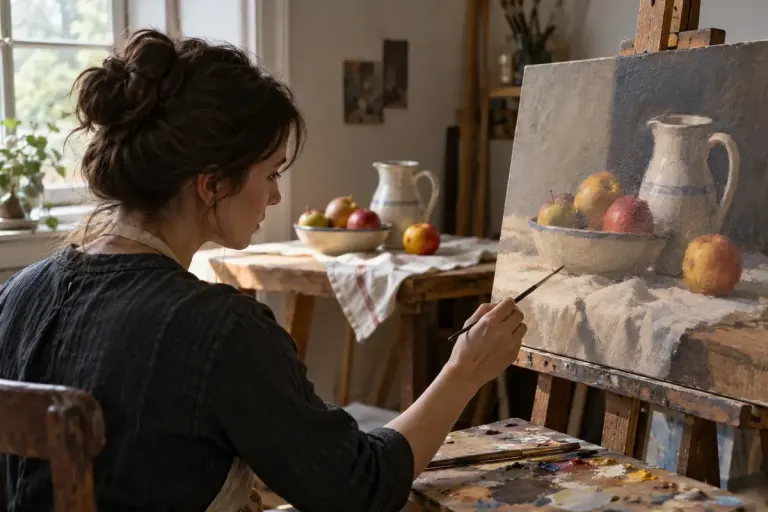
Lost and found edges can make a painting feel less outlined
Explore lost and found edges with a small painting study. Vary where shapes separate clearly and where similar values let an edge become less visible.

Make something worth coming back to.
Explore lost and found edges with a small painting study. Vary where shapes separate clearly and where similar values let an edge become less visible.
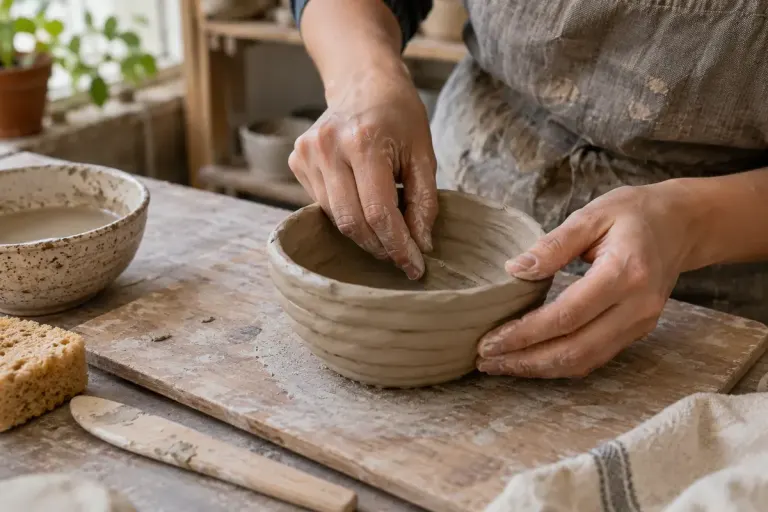
A coil-built pot needs sound joins beneath its visible shape. Practise a small bowl while watching clay moisture, seam compression and drying.
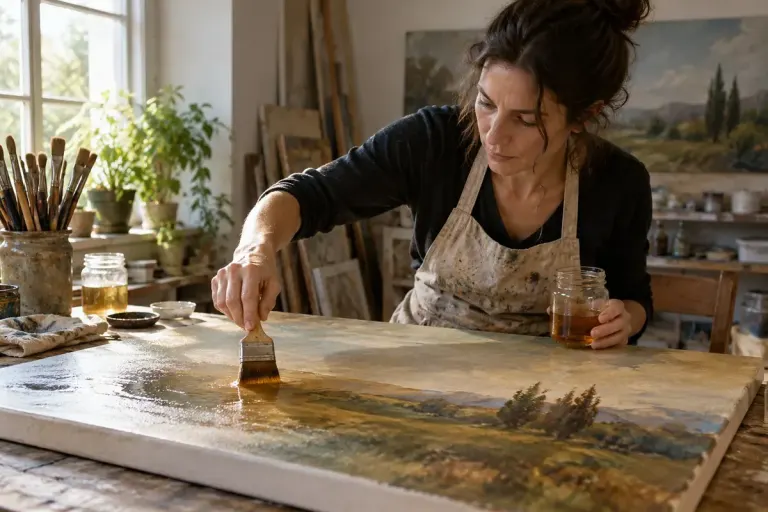
Explore acrylic glazing with a small test strip: transparent colour, a dry underlayer and careful observation as the medium clears.
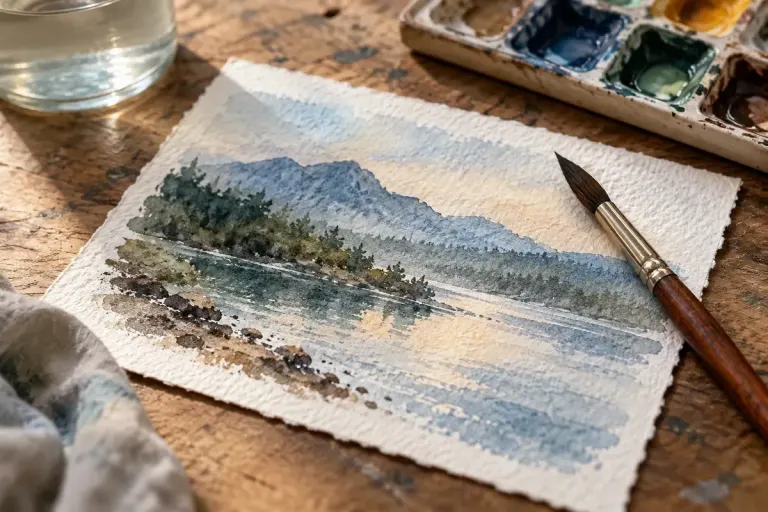
See how granulating watercolour behaves on textured paper, and use a controlled swatch to distinguish pigment texture from accidental overworking.
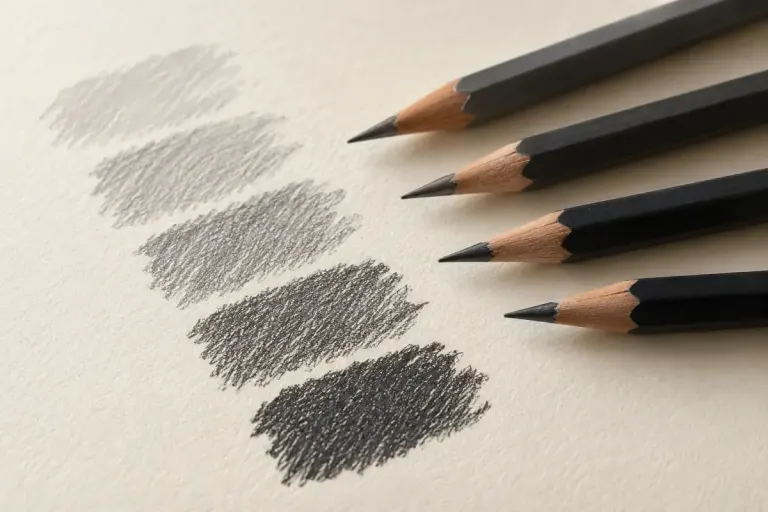
Compare H, HB and B graphite on the same paper, using light pressure and a simple swatch exercise to choose a pencil for the mark you want.
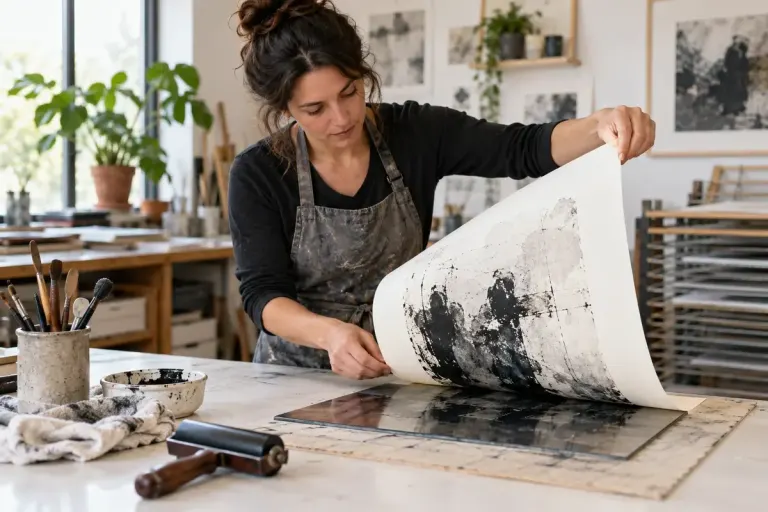
Explore monotype printing with one painted plate, a first impression and a lighter second pull, while recording what changes between them.
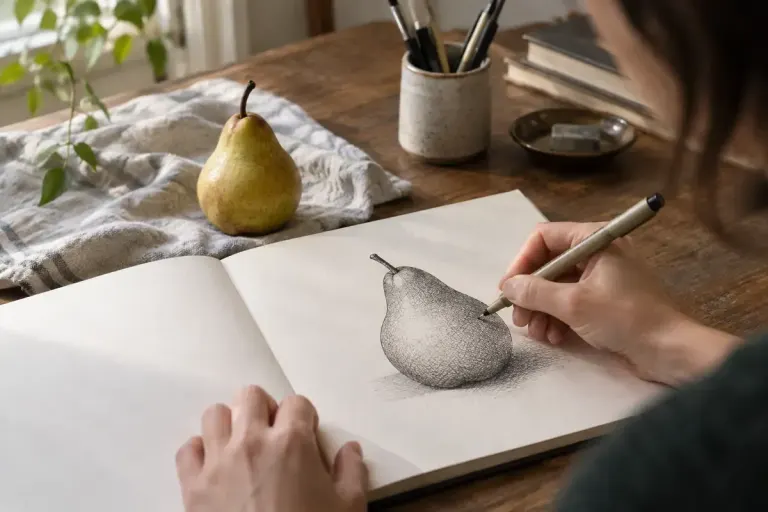
Practise cross-hatching with a simple value strip and a rounded object, using line spacing and direction to build tone without muddying the paper.
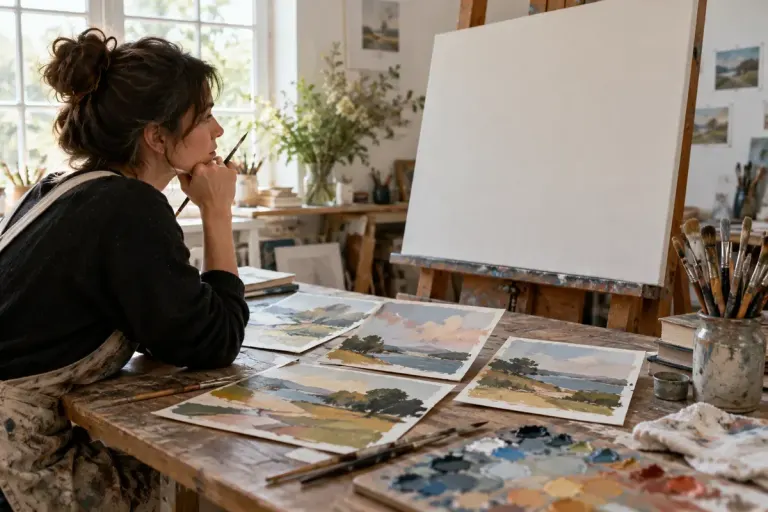
Use a small colour study to decide value balance, dominant colour and focal contrast before spending paint and time on a large canvas.
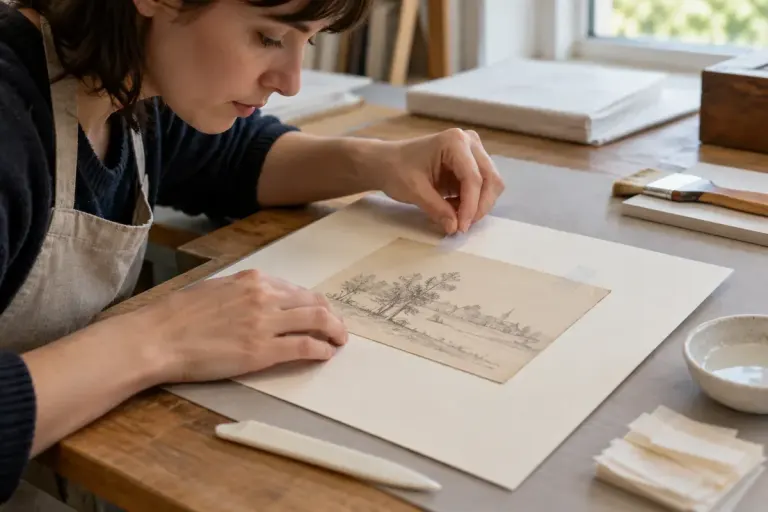
Understand why paper art is often hinged rather than glued flat, and practise only on expendable work before framing.