Painting Practice
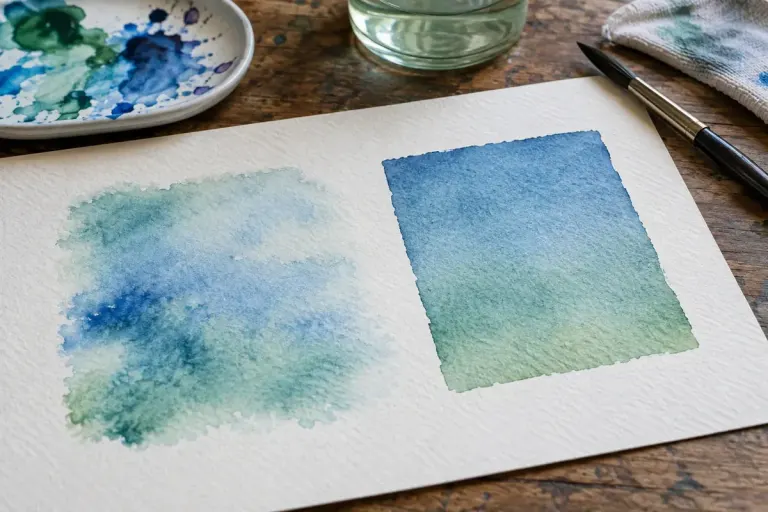
Wet-on-Wet or Wet-on-Dry: Try Two Watercolour Edges Side by Side
Compare soft and crisp watercolour edges with a small two-patch exercise, then use the result to choose how you paint your next shape.

Make something worth coming back to.
Compare soft and crisp watercolour edges with a small two-patch exercise, then use the result to choose how you paint your next shape.
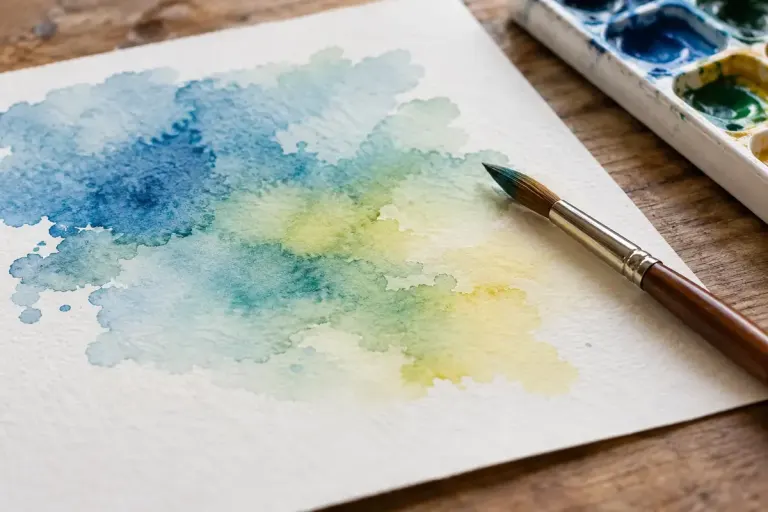
Compare a round watercolour brush by its point, paint-holding body and response on paper, rather than the number on the handle alone.
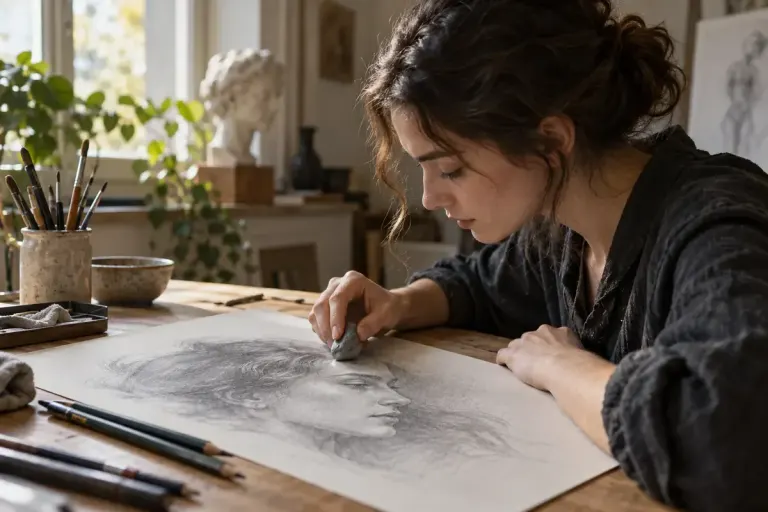
Use a kneaded eraser to lift graphite in controlled stages and create highlights without treating the paper as a surface to scrub.
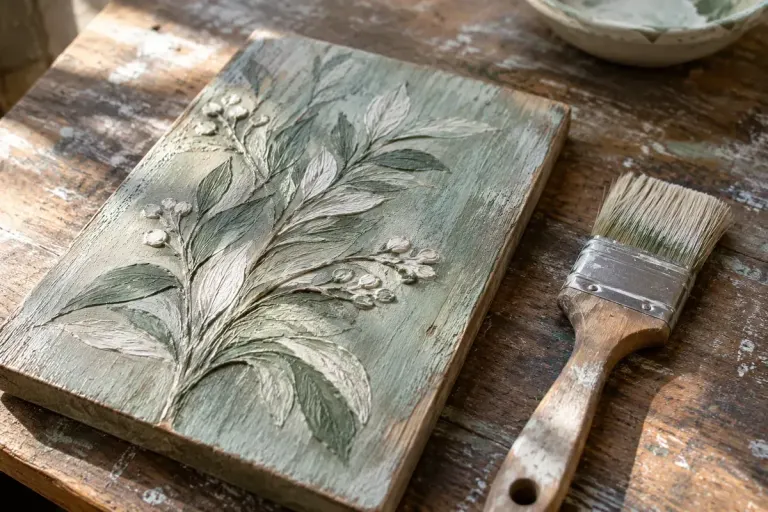
Use a spare textured sample to judge a drybrush load, preserve the darker recesses and avoid turning a light highlight into a solid coat.
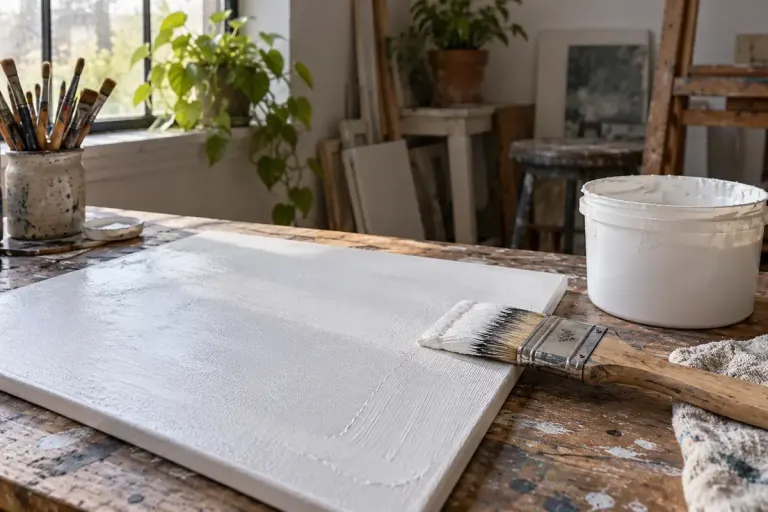
Choose a suitable painting ground, test it on a spare surface and understand why a white colour layer does not automatically replace gesso.
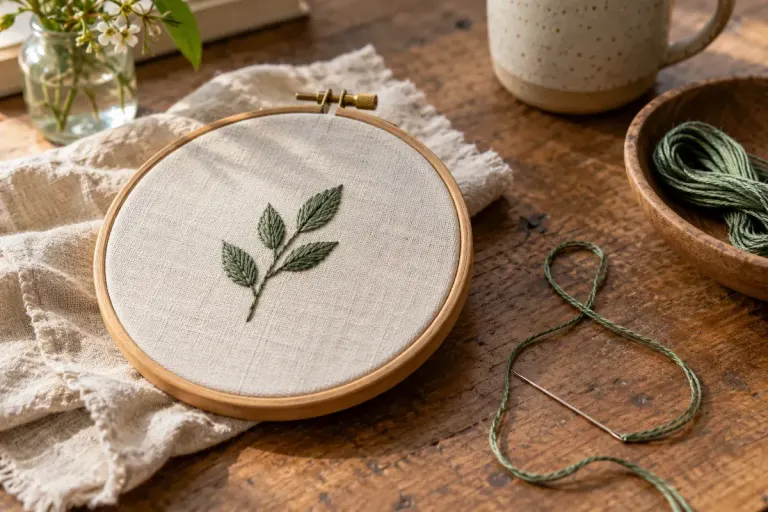
Set embroidery-hoop tension on a scrap first, then check the fabric again as you work so pulling stitches do not distort the design.
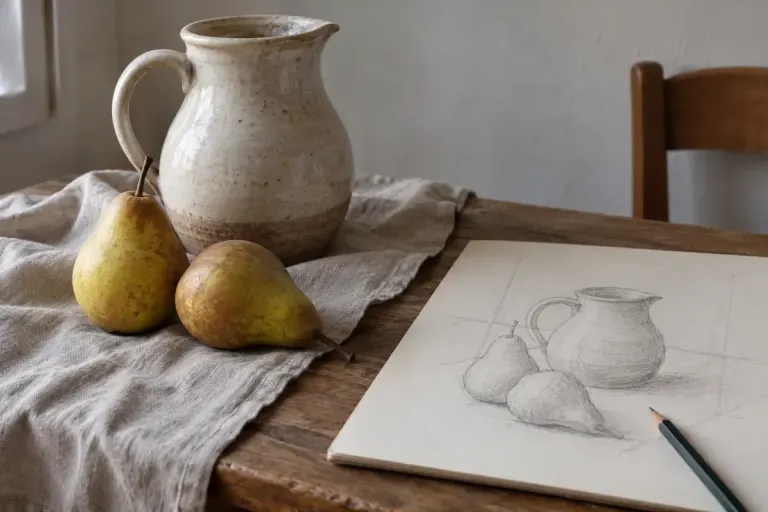
Try a small drawing exercise that uses the empty spaces around everyday objects to check proportion and arrangement.
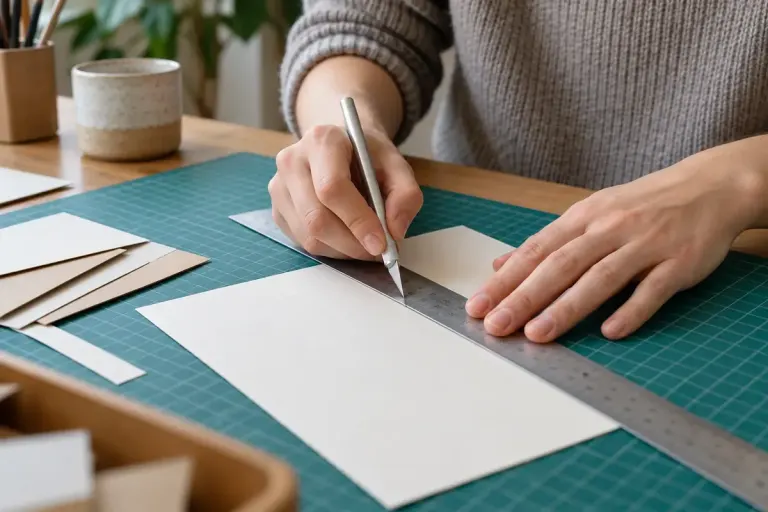
Improve paper-cutting control by planning corners, repositioning the sheet and keeping your hands clear of the blade path.
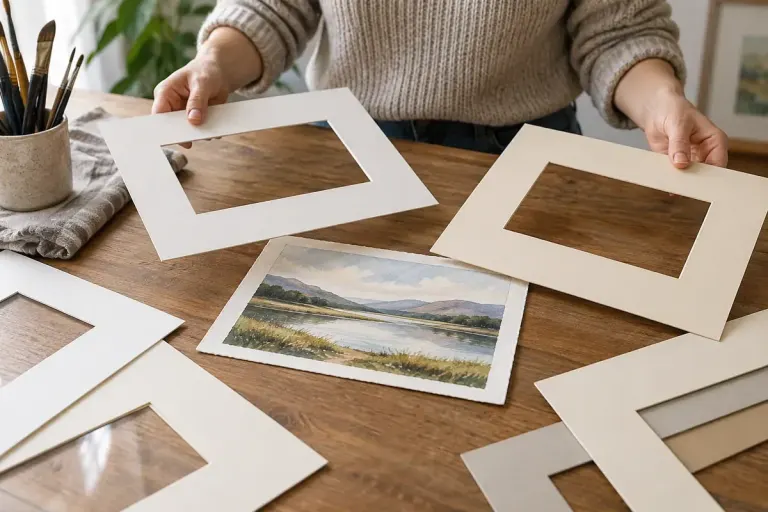
Test the visible border and window mount around a watercolour before trimming the paper or committing to a frame.